Primary health care is a whole-of-society approach to health and wellness centred on the needs and preferences of individuals, households and communities. It resolves the more comprehensive factors of health and focuses on the comprehensive and interrelated aspects of physical, psychological and social health and health and wellbeing. It offers whole-person take care of health needs throughout the life expectancy, not just for a set of particular illness.
Primary healthcare is rooted in a commitment to social justice and equity and in the acknowledgment of the fundamental right to the highest achievable standard of health, as echoed in Article 25 of the Universal Statement on Human Being Rights: "Everybody has the right to a standard of living adequate for the health and health and wellbeing of himself and of his household, consisting of food, clothes, housing and medical care and required social services [].
In some contexts, it has actually referred to the arrangement of ambulatory or first-level of individual health care services. In other contexts, main health care has been understood as a set of priority health interventions for low-income populations (likewise called selective primary healthcare). what does cms stand for in health care. Others have actually comprehended primary healthcare as an important element of human advancement, concentrating on the economic, social and political elements.
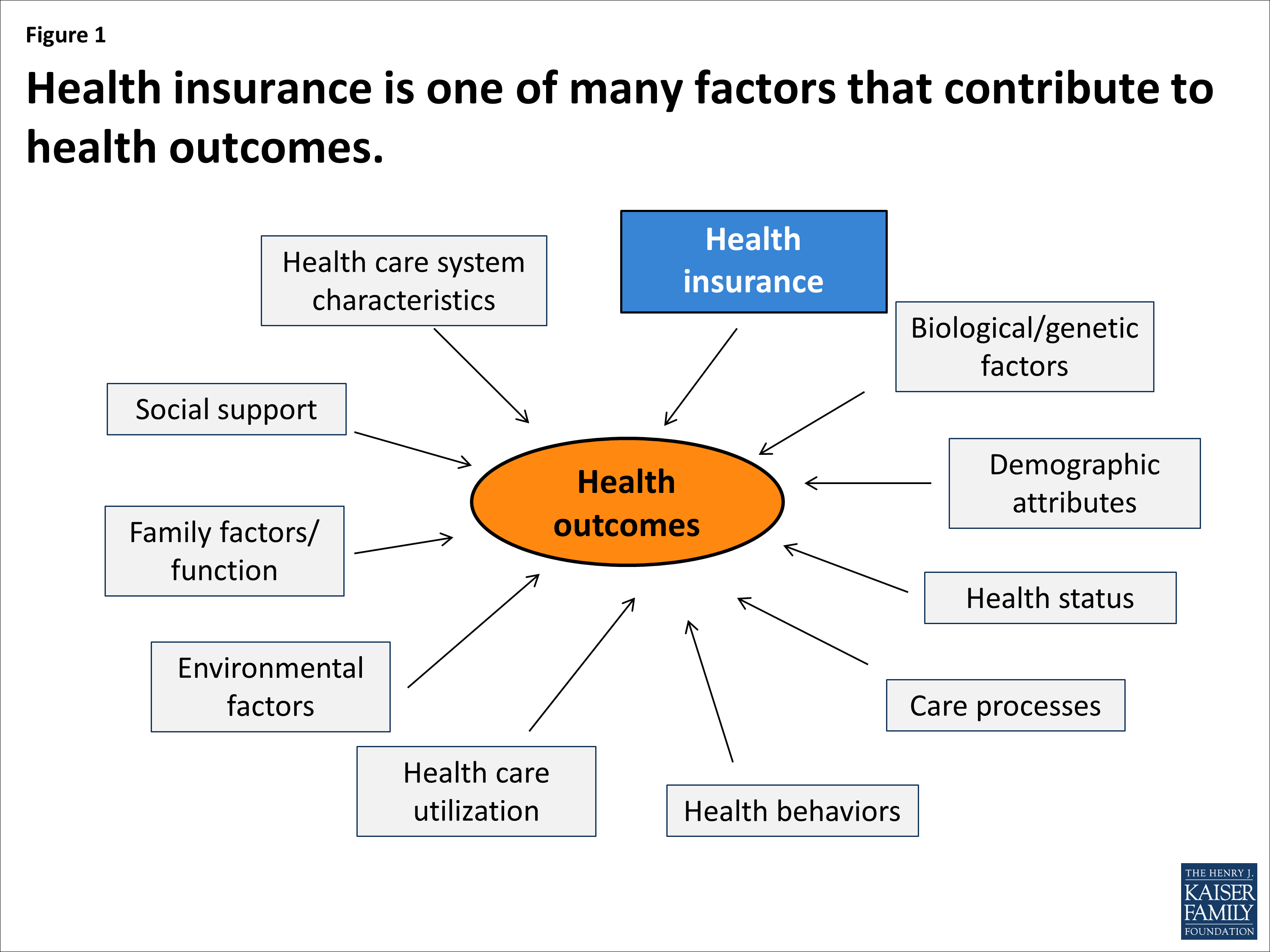
Restoring main health care and positioning it at the centre of efforts to enhance health and health and wellbeing are crucial for three factors: Main healthcare is well-positioned to respond to fast financial, technological, and group modifications, all of which effect health and well-being. A current analysis discovered that around half of the gains in decreasing kid death from 1990 to 2010 was because of aspects outside the health sector (such as, water and sanitation, education, economic growth).
Dealing with individuals and neighborhoods as crucial stars in the production of their own health and well-being is vital for understanding and reacting to the complexities of our altering world. Primary health care has actually been shown to be an extremely efficient and effective way to deal with the main causes and threats of poor health and wellness today, along with handling the emerging challenges that threaten health and wellness tomorrow.
What Is United Health Care for Beginners
Resolving progressively intricate health needs require a multisectoral approach that integrates health-promoting and preventive policies, solutions that are responsive to communities, and health services that are people-centred. Primary healthcare also consists of the crucial elements needed to improve health security and avoid health hazards such as upsurges and antimicrobial resistance, through such measures as community engagement and education, rational prescribing, and a core set of essential public health functions, including monitoring.
Stronger primary health care is vital to accomplishing the health-related Sustainable Development Objectives (SDGs) and universal health coverage. It will contribute to the achievement of other objectives beyond the health goal (SDG3), consisting of those on poverty, hunger, education, gender equality, clean water and sanitation, work and economic growth, minimizing inequality and climate action.
WHO works with nations to: Identify concern areas for enhancing health and context-specific methods which make use of the technical know-how throughout the WHO. Support nations to establish inclusive policies, in nation management and health systems based upon main healthcare which promote health equity and works towards accomplishing the Sustainable Advancement Objectives and universal health protection.
Main Healthcare, or PHC refers to "important healthcare" that is based upon scientifically sound and socially acceptable techniques and innovation. This makes universal health care accessible to all individuals and families in a community. PHC efforts enable the complete involvement of community members in application and decision making.
In other words, PHC is a technique to health beyond the traditional health care system that focuses on health equity- producing social policy. PHC includes all locations that contribute in health, such as access to health services, environment and way of life. Therefore, primary health care and public health steps, taken together, might be thought about as the foundations of universal health systems.
What Does Which Of These Is The Definition Of Palliative Care According To The World Health Organization? Do?
This https://goo.gl/maps/ZaKzHcCkYhYyP8Hu6 perfect design of health care was embraced in the statement of the International Conference on Main Health Care held in Alma Ata, Kazakhstan in 1978 (understood as the "Alma Ata Statement"), and became a core principle of the World Health Company's goal of. The Alma-Ata Conference mobilized a "Primary Health Care movement" of professionals and organizations, governments and civil society companies, scientists and grassroots companies that undertook to take on the "politically, socially and financially undesirable" health inequalities in all nations.
A primary healthcare worker in Saudi Arabia, 2008 The ultimate objective of primary healthcare is the achievement of much better health services for all. It is for this factor that the World Health Company (WHO), has determined 5 crucial elements to achieving this objective: minimizing exemption and social disparities in health (universal protection reforms); arranging health services around individuals's requirements and expectations (service delivery reforms); integrating health into all sectors (public law reforms); pursuing collaborative models of policy discussion (management reforms); and increasing stakeholder involvement.
Neighborhood involvement in order to make the fullest usage of local, national and other offered resources. Neighborhood involvement was thought about sustainable due to its turf roots nature and focus on self-sufficiency, rather than targeted (or vertical) approaches depending on international advancement support. Health human resources development comprehensive healthcare depends on a sufficient number and distribution of experienced doctors, nurses, allied health professions, community health workers and others working as a health group and supported at the local and recommendation levels.
Examples of proper innovation include fridges for cold vaccine storage. Less appropriate examples of medical innovation could include, in many settings, body scanners or heart-lung makers, which benefit only a small minority focused in metropolitan areas. They are normally not available to the bad, however draw a large share of resources.
These sectors consist of, a minimum of: agriculture (e. g. food security); education; interaction (e. g. worrying prevailing health problems and the techniques of avoiding and controlling them); housing; public works (e. g. making sure an appropriate supply of safe water and basic sanitation); rural advancement; market; neighborhood organizations (consisting of Panchayats or city governments, voluntary companies, and so on).
Everything about Who Is Eligible For Care Within The Veterans Health Administration
The concepts link health, development, and advocating political interventions rather than passive acceptance of economic conditions. The primary healthcare approach has seen significant gains in health where applied https://goo.gl/maps/ipSsQFKrBDuJcxDA7 even when negative financial and political conditions dominate. Although the statement made at the Alma-Ata conference considered to be convincing and plausible in defining objectives to PHC and attaining more reliable techniques, it produced numerous criticisms and responses worldwide. who led the reform efforts for mental health care in the united states?.
As an outcome, PHC techniques have actually evolved in different contexts to account for disparities in resources and regional top priority health issue; this is alternatively called the Selective Main Health Care (SPHC) technique. After the year 1978 Alma Ata Conference, the Rockefeller Structure held a conference in 1979 at its Bellagio conference center in Italy to deal with a number of issues.
It was based upon a paper by Julia Walsh and Kenneth S. Warren entitled "Selective Main Healthcare, an Interim Strategy for Disease Control in Developing Countries". This brand-new framework promoted a more financially practical approach to PHC by only targeting specific locations of health, and choosing the most efficient treatment strategy in regards to cost and effectiveness.